



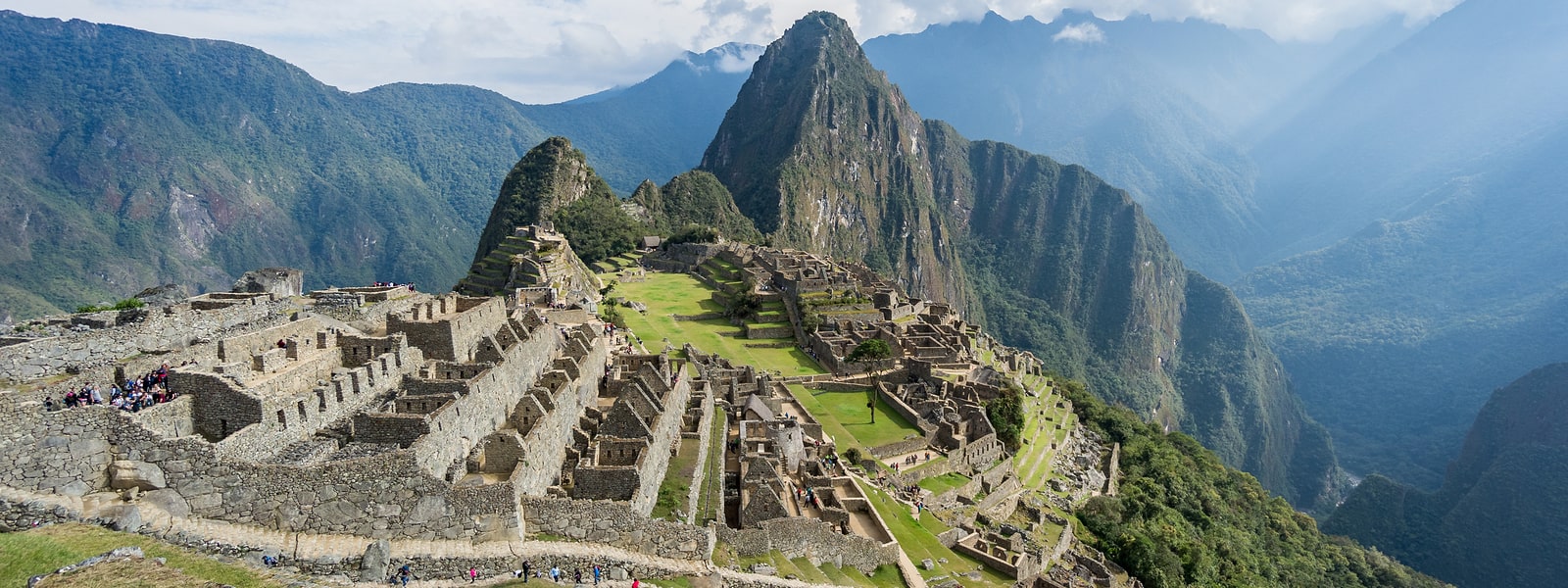

Mexico


A Land of Ancient Civilizations and Vibrant Culture
Mexico captivates visitors with its extraordinary blend of ancient indigenous heritage, Spanish colonial influence, and modern dynamism. This diverse nation stretches from Pacific beaches to Caribbean coasts, from northern deserts to southern jungles, encompassing a cultural richness that rivals its geographical variety. Millennia-old pyramids stand alongside baroque cathedrals, while contemporary art galleries and world-class resorts showcase Mexico's evolution into a sophisticated yet deeply traditional destination.
The warmth of Mexican hospitality reflects a culture that celebrates family, community, and festivity. From the Day of the Dead's colorful remembrance of ancestors to the exuberant rhythms of mariachi music, Mexican traditions express a joyful appreciation for life's meaningful moments. Indigenous civilizations—Maya, Aztec, Zapotec, and dozens more—contributed philosophical depth, architectural genius, and culinary innovations that continue shaping Mexican identity today.
Mexico's appeal lies in its ability to offer something for every traveler: pristine beaches and luxury resorts, archaeological wonders and colonial cities, culinary adventures and artistic masterpieces, adventure sports and tranquil retreats. Whether exploring ancient ruins, savoring authentic street tacos, swimming in crystalline cenotes, or simply relaxing on white sand beaches, you'll discover a destination that welcomes you with open arms and leaves you planning your return before you've even departed.
Places to Go
Mexico City
One of the world's largest and most vibrant metropolitan areas, Mexico City pulses with energy, history, and culture. The historic center preserves Aztec ruins and Spanish colonial architecture, while world-class museums like the National Museum of Anthropology showcase Mexico's rich heritage. Neighborhoods like Coyoacán and Roma offer artistic ambiance, while Chapultepec Park provides green space in the urban landscape. The city's culinary scene ranges from street food stalls to internationally acclaimed restaurants.
Riviera Maya
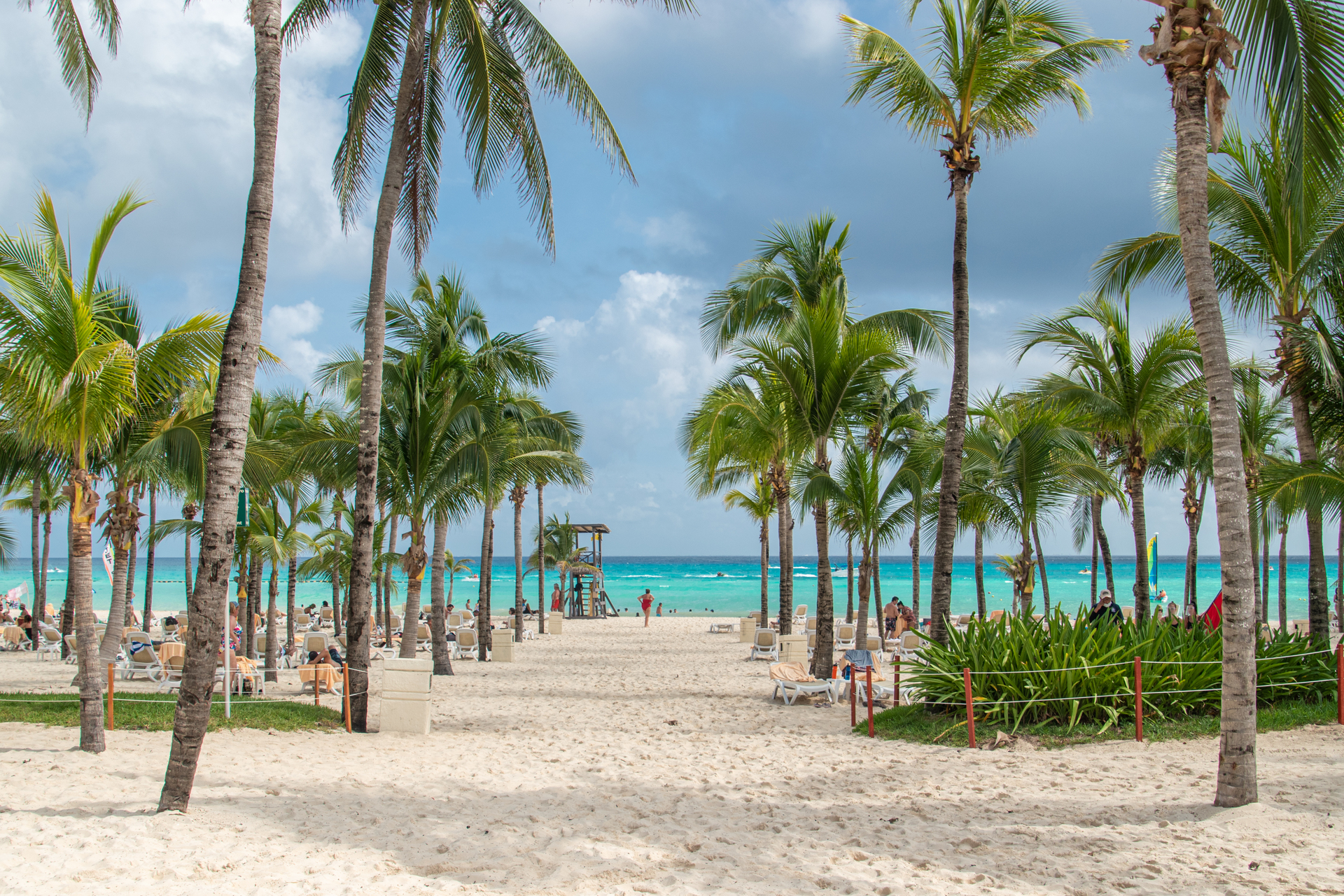
This Caribbean coastline stretches from Cancún to Tulum, offering powdery white beaches, crystal-clear waters, and easy access to ancient Mayan ruins. All-inclusive resorts provide luxury and convenience, while bohemian Tulum attracts wellness seekers and eco-conscious travelers. The Great Maya Reef provides exceptional snorkeling and diving, while nearby cenotes—freshwater sinkholes—offer unique swimming experiences in underground caverns.
Chichen Itza
This UNESCO World Heritage Site represents one of the New Seven Wonders of the World. The iconic El Castillo pyramid demonstrates the Maya's astronomical knowledge, aligning with equinox solar events. The massive complex includes the Temple of Warriors, the sacred cenote, and an ancient ball court. Arriving early or late helps avoid cruise ship crowds and provides better photography opportunities of these magnificent ruins.
Oaxaca
This colonial gem in southern Mexico offers authentic indigenous culture, exceptional cuisine, and vibrant arts scenes. The city's historic center features colorful buildings and lively markets selling traditional crafts. Nearby, the ancient Zapotec city of Monte Albán overlooks the valley. Oaxaca is renowned as Mexico's culinary capital, famous for mole sauces, mezcal spirits, and traditional Oaxacan chocolate.
Guanajuato
This colorful colonial city cascades down hillsides in Mexico's central highlands. Underground streets tunneling through former river channels create a unique transportation network. Guanajuato's historic silver mining wealth funded baroque architecture and ornate churches. The city's museums celebrate Mexican culture and history, while the nearby town of San Miguel de Allende attracts artists and expatriates with its preserved colonial beauty.
Los Cabos
Where the Pacific Ocean meets the Sea of Cortez, Los Cabos offers dramatic desert landscapes meeting azure waters. World-class golf courses, sport fishing, and luxury resorts define this Baja peninsula destination. The iconic El Arco rock formation marks Land's End, while nearby beaches range from swimmable coves to surf breaks. The corridor between Cabo San Lucas and San José del Cabo features the highest concentration of premium resorts.
Copper Canyon
Larger and deeper than the Grand Canyon, this network of six canyons in northern Mexico showcases dramatic landscapes and indigenous Tarahumara culture. The Chihuahua al Pacífico railway traverses the canyons on one of the world's most scenic train journeys. Adventure activities include zip-lining, hiking, and mountain biking through pine forests and canyon vistas.
Things to Do and See
Explore Ancient Ruins
Mexico's archaeological sites reveal sophisticated civilizations that flourished for millennia. Beyond Chichen Itza, visit Teotihuacán's massive Pyramids of the Sun and Moon near Mexico City, the coastal ruins of Tulum overlooking the Caribbean, Uxmal's intricate Puuc architecture, and Palenque's jungle-shrouded temples. Each site offers unique insights into Mexico's pre-Columbian heritage.
Beach & Water Activities
Mexico's coastlines provide endless opportunities for swimming, snorkeling, diving, surfing, and simply relaxing on pristine sands. The Sea of Cortez offers world-class sport fishing and whale watching. The Caribbean's Great Maya Reef attracts divers to coral gardens and underwater caves. Pacific beaches in Puerto Vallarta and Sayulita cater to surfers, while Holbox and Isla Mujeres provide tranquil island escapes.
Cenote Swimming
The Yucatán Peninsula's limestone bedrock conceals thousands of cenotes—natural sinkholes revealing crystal-clear underground water systems. Swimming in these sacred Maya sites provides a magical experience in caverns adorned with stalactites. Some cenotes are fully enclosed caves requiring headlamps, while others are open-air swimming holes surrounded by jungle vegetation.
Colonial City Tours
Mexico's colonial cities preserve centuries of Spanish architecture and urban planning. Stroll cobblestone streets past colorful facades, visit baroque churches filled with gilded altarpieces, and relax in tree-shaded plazas surrounded by cafés. Cities like Guanajuato, San Miguel de Allende, Puebla, and Mérida each offer distinct character while maintaining colonial charm.
Art & Museums
Mexico's artistic heritage extends from pre-Columbian artifacts to contemporary masterpieces. The Frida Kahlo and Diego Rivera museums in Mexico City celebrate beloved national artists. Oaxaca's galleries showcase indigenous textile arts and contemporary painting. Throughout Mexico, street art and public murals transform urban landscapes into open-air galleries.
Adventure Activities
Mexico's diverse geography supports every adventure pursuit: zip-lining through jungle canopies, rappelling into caves, ATV excursions through desert terrain, whale shark swimming, sea kayaking, mountain biking, and rock climbing. Surf schools operate on both coasts, while the cenotes and caves attract experienced divers for cavern exploration.
Native Dining Musts
Tacos
The quintessential Mexican food reaches its purest form as street tacos—small corn tortillas filled with countless options from carne asada to al pastor to fresh fish. Regional variations abound: cochinita pibil in Yucatán, birria in Jalisco, tacos de canasta in Mexico City. The best tacos often come from humble street stands where locals line up, not from restaurants catering to tourists.
Mole
These complex sauces represent the pinnacle of Mexican culinary artistry, combining indigenous ingredients with Old World imports. Oaxaca alone recognizes seven distinct moles, each requiring dozens of ingredients ground and simmered for hours. Mole negro and mole rojo showcase chocolate, chiles, nuts, and spices in deeply flavored sauces typically served over chicken or turkey.
Fresh Ceviche
Coastal regions serve fresh fish or shrimp "cooked" in citrus juice and mixed with tomatoes, onions, cilantro, and chiles. Served with crispy tostadas, ceviche provides light, refreshing flavors perfect for beach dining. Pacific and Caribbean variations showcase regional seafood and preparation styles.
Tamales
These masa dough parcels stuffed with savory or sweet fillings and steamed in corn husks or banana leaves represent ancient indigenous cooking techniques. Regional variations include Oaxacan tamales wrapped in banana leaves, Yucatecan tamales called mucbipollos, and sweet tamales filled with fruits or chocolate. Tamales are breakfast staples and celebration foods.
Churros & Mexican Chocolate
Mexico's chocolate tradition extends back to the Aztecs, who consumed xocolātl as a sacred beverage. Modern Mexican hot chocolate maintains rich, slightly spicy character from cinnamon and sometimes chiles. Pair it with freshly fried churros—crispy dough sticks rolled in cinnamon sugar—for the perfect afternoon treat.
Where to Dine
- Pujol (Mexico City): Contemporary Mexican fine dining showcasing traditional ingredients and techniques
- El Farolito (multiple locations): Authentic Mexico City tacos at all hours
- La Cocina de Doña Esthela (Valle de Guadalupe): Farm-to-table Mexican cuisine in wine country
- Casa Oaxaca (Oaxaca): Traditional Oaxacan specialties in elegant colonial setting


